Mahjong Decision Making for Competitive Play
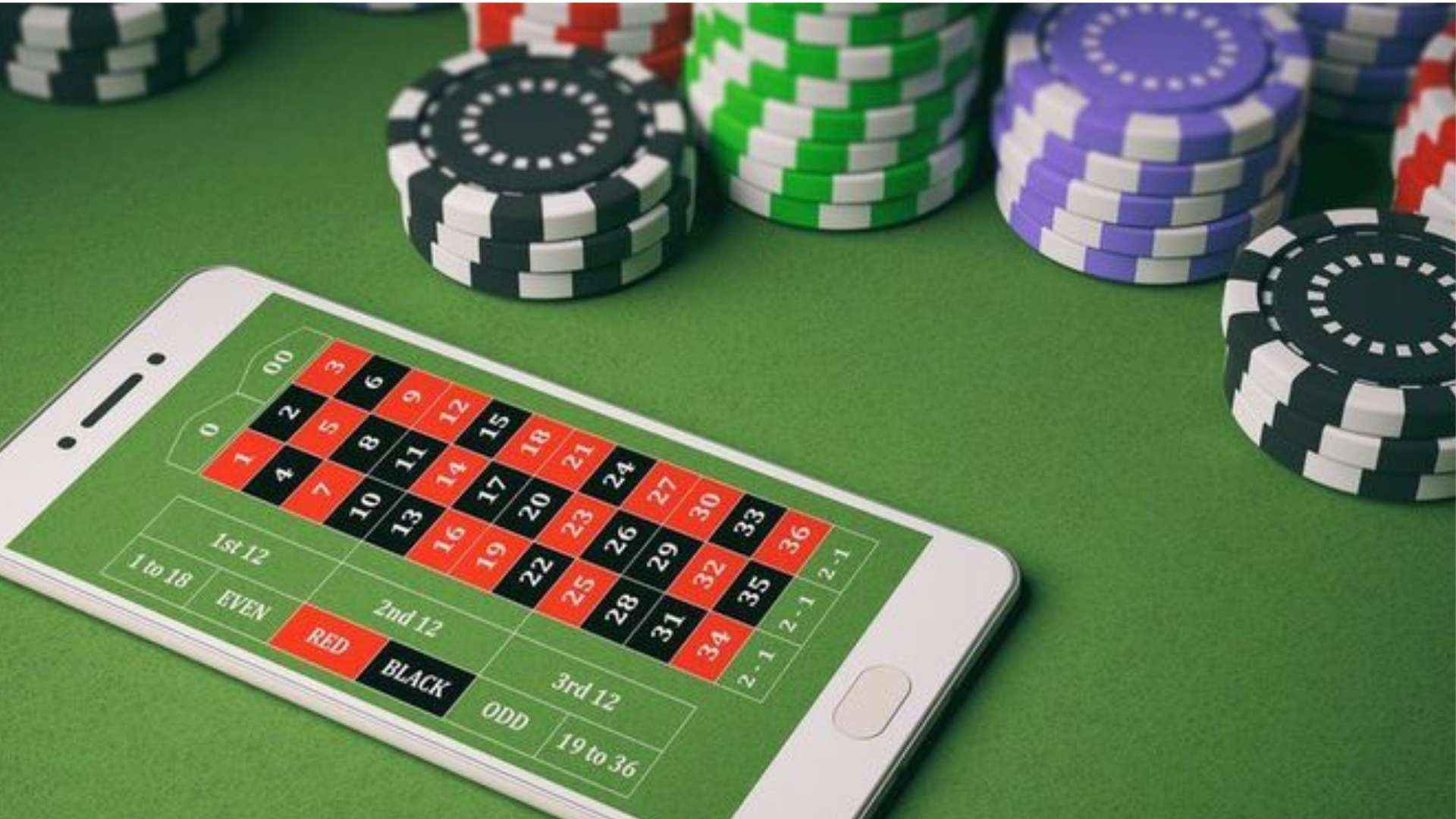
Competitive Mahjong elevates the classic tile game from a casual pastime into a complex environment of mathematical evaluation and psychological warfare. To excel in a tournament setting, players must look past simple tile matching and focus entirely on dynamic choice-making. Mastering these rapid tactical shifts is what allows top-tier competitors to consistently navigate high-stakes tables and outmaneuver skilled opponents.
Evaluating Hand Speed and Tile Efficiency
In a competitive match, the speed at which you can assemble a winning hand determines your baseline survival. Players utilize mathematical principles to calculate their exact distance from a ready state, ensuring no turns are wasted on low-probability structures. Every single draw and discard must be measured against the total remaining tile pool to maintain maximum efficiency.
Refining this process requires a deep understanding of compound shapes and flexible waiting patterns. Veteran competitors often avoid locking themselves into rigid scoring designs during the early phases of a round. Instead, they focus on keeping their options open so they can pivot seamlessly when the flow of the table shifts.
Analyzing Opponent Patterns and Discards
True mastery of the game requires looking away from your own tile rack to scrutinize the open discard pool. The center of the table serves as a transparent logbook detailing the strategic trajectory of every participant. By tracking the exact sequence of discarded pieces, an expert can accurately deduce which suits are being safely ignored or heavily hoarded.
Recognizing subtle tells and structural shifts helps you anticipate when an opponent is approaching completion. For those looking to sharpen their strategic instincts on the go, utilizing tools like the m88 link mobile platform provides an accessible way to study game mechanics and keep your skills sharp. Staying alert to these real-time table dynamics prevents you from accidentally throwing a winning tile into an opponent's hand.
Balancing Aggressive and Defensive Play
Knowing when to abandon an offensive strategy is one of the toughest choices a competitive player must make. When multiple opponents declare a ready hand, continuing to push for your own high-value combination becomes extremely hazardous. Elite tournament players excel at calculating risk percentages and will willingly dismantle a good hand to guarantee defensive safety.
Defensive decision-making relies on identifying completely safe tiles that cannot be claimed for a win. This shift in mindset transforms the game from a simple race into an intricate battle of strategic endurance. Forcing your opponents to draw from a depleted tile pool while preserving your own score is a hallmark of superior tactical discipline.
The Psychological Aspect of Tournament Decisions
Maintaining complete emotional equilibrium under immense table pressure is vital for long-term tournament success. A single frustrating round or an unexpected loss can easily cloud a player's judgment, leading to catastrophic analytical errors. Developing a disciplined mental routine allows you to approach every new deal with absolute clarity and focus.
Ultimately, competitive success is built on a foundation of consistent habits and calculated risk management. By blending sharp mathematical calculation with acute psychological awareness, you can confidently command any table. Embracing this holistic approach ensures you stay ahead of the competition in every match you play.